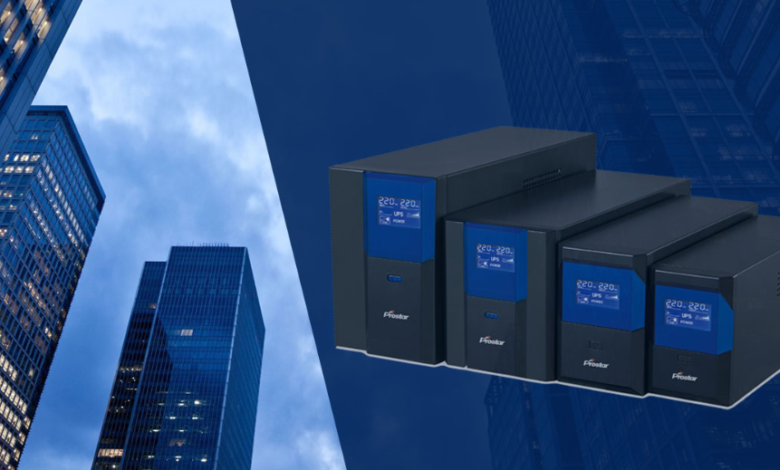
In today’s digital and technology-driven world, uninterrupted electricity is critical for both homes and businesses. Power outages, voltage fluctuations, and sudden surges can cause serious damage to electronic equipment, data loss, and operational downtime. This is where UPS uninterruptible power systems play a vital role.
A UPS uninterruptible power solution provides instant backup power and electrical protection, ensuring that devices continue running smoothly even when the main power supply fails. This article explains everything you need to know about UPS systems, how they work, their types, benefits, applications, and how to choose the right one.
What Is UPS Uninterruptible Power?
UPS uninterruptible power refers to a power backup system that supplies immediate electricity to connected devices when the main power source is interrupted. Unlike generators, which take time to start, a UPS provides power instantly through internal batteries or energy storage components.
A UPS system also regulates voltage, protects against power surges, and filters electrical noise, making it an essential safeguard for sensitive electronics.
See also: Home Free Alaska Net Worth: Exploring the Financial Success of the Homesteading Family
How UPS Uninterruptible Power Works
A UPS uninterruptible power system operates through three main components:
- Rectifier/Charger – Converts incoming AC power into DC power to charge the battery.
- Battery – Stores energy to provide backup power during outages.
- Inverter – Converts stored DC power back into AC power for connected devices.
When utility power is stable, the UPS conditions the electricity and keeps the battery charged. When a power failure occurs, the inverter immediately supplies power from the battery without any interruption.
Types of UPS Uninterruptible Power Systems
Choosing the correct UPS uninterruptible power system depends on your needs. There are three main types:
1. Standby (Offline) UPS
This is the most basic form of UPS uninterruptible power. It remains idle during normal conditions and switches to battery mode when a power failure occurs.
Best for:
- Home computers
- Wi-Fi routers
- Small office equipment
2. Line-Interactive UPS
This type offers better voltage regulation and is suitable for environments with frequent voltage fluctuations.
Best for:
- Small businesses
- Network equipment
- Security systems
3. Online (Double-Conversion) UPS
An online UPS uninterruptible power system continuously supplies power from the inverter, providing the highest level of protection.
Best for:
- Data centers
- Medical equipment
- Industrial systems
- Mission-critical operations
Key Benefits of UPS Uninterruptible Power
1. Instant Power Backup
The primary advantage of UPS uninterruptible power is immediate backup during outages, preventing sudden shutdowns.
2. Data Protection
Unexpected power loss can corrupt or destroy data. A UPS allows safe shutdown of systems, minimizing data loss.
3. Equipment Safety
UPS systems protect devices from voltage spikes, surges, and electrical noise that can damage components.
4. Improved Productivity
By avoiding downtime, businesses maintain continuity and productivity during power disturbances.
5. Power Quality Improvement
UPS uninterruptible power systems regulate voltage and frequency, ensuring consistent and clean electricity.
Applications of UPS Uninterruptible Power
UPS systems are used across many industries and environments:
- Homes: Computers, routers, smart devices
- Offices: Servers, workstations, communication systems
- Healthcare: Life-support machines, diagnostic equipment
- Data Centers: Servers, storage systems, networking devices
- Industrial Facilities: Automation systems, control panels
- Retail: Point-of-sale systems and security equipment
How to Choose the Right UPS Uninterruptible Power System
Selecting the right UPS requires careful consideration of several factors:
Load Capacity
Calculate the total wattage or VA rating of devices to be connected and choose a UPS with sufficient capacity.
Backup Runtime
Determine how long you need power during an outage. Larger batteries provide longer runtime.
Power Quality
For sensitive equipment, choose online UPS uninterruptible power systems for maximum protection.
Scalability
Some UPS systems allow additional batteries or capacity upgrades as needs grow.
Maintenance and Battery Life
Consider battery replacement cycles and ease of maintenance to reduce long-term costs.
Common Mistakes to Avoid When Using UPS Systems
- Overloading the UPS: Connecting devices beyond its rated capacity reduces performance.
- Ignoring Battery Health: Old or damaged batteries reduce backup time.
- Poor Ventilation: UPS units generate heat and require proper airflow.
- Skipping Regular Testing: Periodic testing ensures reliability during real outages.
Maintenance Tips for UPS Uninterruptible Power
Proper maintenance ensures long service life:
- Test the UPS periodically
- Keep batteries clean and dry
- Replace batteries as recommended
- Monitor alarms and indicators
- Ensure proper installation and grounding
FAQs About UPS Uninterruptible Power
What is the main purpose of UPS uninterruptible power?
The main purpose is to provide immediate backup power and protect devices from electrical disturbances during outages.
How long can a UPS provide power?
Backup time depends on battery capacity and connected load, ranging from a few minutes to several hours.
Is UPS uninterruptible power better than a generator?
A UPS provides instant power, while generators are better for long-term outages but require startup time.
Can a UPS protect against voltage fluctuations?
Yes, most UPS systems regulate voltage and protect against surges and spikes.
How often should UPS batteries be replaced?
Typically every 3 to 5 years, depending on usage and environmental conditions.
Is UPS uninterruptible power necessary for home use?
Yes, especially for computers, internet routers, and smart devices that require continuous power.
Conclusion
A UPS uninterruptible power system is an essential solution for ensuring continuous, stable, and safe electricity supply. Whether for home use, business operations, or critical industrial applications, UPS systems protect valuable equipment, prevent data loss, and maintain productivity during power disruptions.
By understanding how UPS systems work, their types, benefits, and maintenance requirements, you can choose the right solution for your needs. Investing in a reliable UPS uninterruptible power system is not just about backup power—it is about peace of mind, protection, and uninterrupted performance.