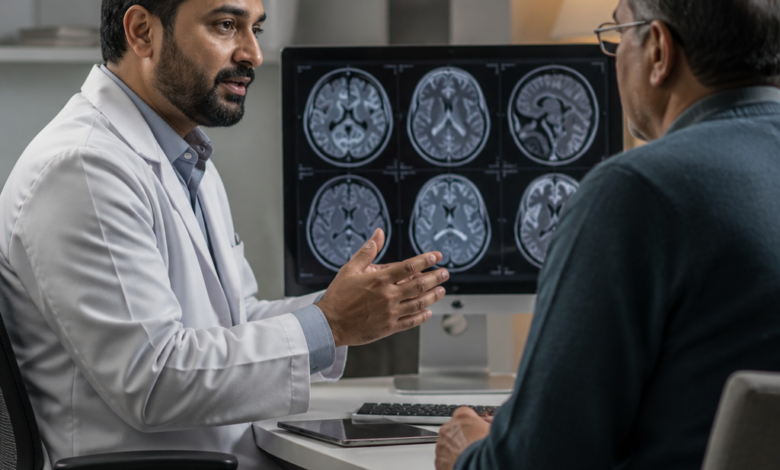
Neurological health is one of the most complex and often misunderstood areas of medicine. The brain, spinal cord, and peripheral nervous system govern virtually every function in the human body — from movement and memory to sensation and speech. Yet many people delay seeking specialist care, either because they attribute their symptoms to stress or aging, or because they simply do not know when a neurologist’s expertise is truly necessary. Understanding the warning signs and knowing how to access the right care can make a profound difference in outcomes.
Understanding the Role of a Neurologist
A neurologist is a physician who specializes in diagnosing and treating disorders of the nervous system. This includes conditions such as epilepsy, multiple sclerosis, Parkinson’s disease, migraines, stroke, and neuropathy, among many others. Unlike a general practitioner, a neurologist has undergone years of specialized training to interpret complex diagnostic data — including MRI scans, EEGs, and nerve conduction studies — and to develop targeted treatment plans for conditions that affect the nervous system at every level.
It is worth noting that neurologists work closely with other healthcare professionals to deliver comprehensive care. In many clinical settings, nurse practitioners play a vital supporting role in neurological care teams, assisting with patient assessments, medication management, and follow-up consultations. This collaborative model ensures that patients receive continuous, well-coordinated attention throughout their treatment journey.
Common Symptoms That Warrant a Neurological Evaluation
Many neurological conditions begin with subtle symptoms that are easy to dismiss. However, certain signs should prompt a timely consultation with a specialist. Persistent or worsening headaches — particularly those that differ in character from previous headaches — can indicate conditions ranging from tension-type disorders to more serious intracranial pathology. Sudden, severe headaches described as “the worst of my life” require immediate emergency evaluation.
Movement and Coordination Problems
Unexplained tremors, muscle weakness, difficulty walking, or problems with balance and coordination are classic indicators that the nervous system may be compromised. These symptoms can be associated with conditions such as Parkinson’s disease, cerebellar disorders, or peripheral neuropathy. Early diagnosis is critical, as many of these conditions respond better to treatment when identified in their initial stages.
Cognitive and Memory Changes
Memory loss, confusion, difficulty concentrating, or sudden changes in personality and behavior should never be attributed solely to normal aging without a proper evaluation. These symptoms may signal the early onset of dementia, Alzheimer’s disease, or other neurodegenerative conditions. A neurologist can conduct thorough cognitive assessments and order appropriate imaging to determine the underlying cause and recommend a management strategy.
Seizures and Loss of Consciousness
A first-time seizure always warrants urgent neurological assessment, even if the individual appears to recover fully. Seizures can result from epilepsy, metabolic disturbances, brain tumors, or other serious conditions. Similarly, episodes of fainting or unexplained loss of consciousness require investigation to rule out neurological or cardiovascular causes.
The Diagnostic Process: What to Expect
A neurological consultation typically begins with a detailed medical history and a comprehensive neurological examination. The physician will assess reflexes, muscle strength, sensory function, coordination, and cognitive performance. Based on these findings, additional diagnostic tests may be ordered. These can include brain or spinal MRI, CT scans, electroencephalography (EEG) for seizure evaluation, electromyography (EMG) for nerve and muscle disorders, or lumbar puncture in select cases.
The results of these investigations guide the neurologist in formulating a precise diagnosis and an individualized treatment plan. Treatment may involve medications, lifestyle modifications, physical or occupational therapy, or in some cases, surgical referral. The goal is always to improve quality of life while managing the progression of the condition as effectively as possible.
Neurological Care for Children: Special Considerations
Neurological conditions are not exclusive to adults. Children can also be affected by epilepsy, developmental delays, cerebral palsy, headache disorders, and other neurological issues. Pediatric neurology is a distinct subspecialty that addresses the unique physiological and developmental needs of younger patients. When a child requires any form of medical procedure or surgery related to their neurological condition, preparation is essential. Resources such as guidance on preparing your child for surgery the day before can help families navigate the process with greater confidence and reduce anxiety for both parents and children.
Cleveland Clinic Abu Dhabi: A Center of Neurological Excellence
For residents and visitors in the UAE seeking world-class neurological care, Cleveland Clinic Abu Dhabi stands as one of the region’s most distinguished medical institutions. The Neurological Institute at Cleveland Clinic Abu Dhabi brings together internationally trained specialists who are equipped to diagnose and manage the full spectrum of neurological conditions — from common disorders like migraines and carpal tunnel syndrome to complex cases involving epilepsy, movement disorders, and neuromuscular disease.
If you are experiencing any of the symptoms described in this article, consulting a qualified neurologist in Abu Dhabi at Cleveland Clinic Abu Dhabi can provide you with access to advanced diagnostics, evidence-based treatment protocols, and a multidisciplinary team dedicated to your neurological well-being. The institute is designed to deliver the same standard of care as its globally renowned parent institution in Cleveland, Ohio, ensuring that patients in the region receive internationally benchmarked expertise without the need to travel abroad.
The Importance of Not Delaying Care
One of the most consistent findings in neurological medicine is that early intervention leads to better outcomes. Conditions like stroke, for instance, are time-sensitive emergencies where every minute of delayed treatment can result in irreversible brain damage. Even for chronic conditions such as multiple sclerosis or Parkinson’s disease, early diagnosis allows for the initiation of disease-modifying therapies that can slow progression and preserve function for longer.
Patients often hesitate to seek specialist care due to concerns about cost, accessibility, or fear of receiving a serious diagnosis. However, the risks of delayed evaluation far outweigh the discomfort of an early consultation. Modern neurology has advanced significantly, and many conditions that were once considered untreatable now have effective management options available.
Conclusion
Neurological health deserves the same attention and urgency as any other aspect of physical well-being. Whether you are dealing with recurring headaches, unexplained weakness, memory concerns, or a more complex condition, seeking the guidance of a qualified neurologist is a proactive step toward protecting your long-term health. With the right specialist, the right diagnostic tools, and a supportive care team, navigating neurological illness becomes a far more manageable journey. Do not wait for symptoms to worsen — early action is always the wisest course.